
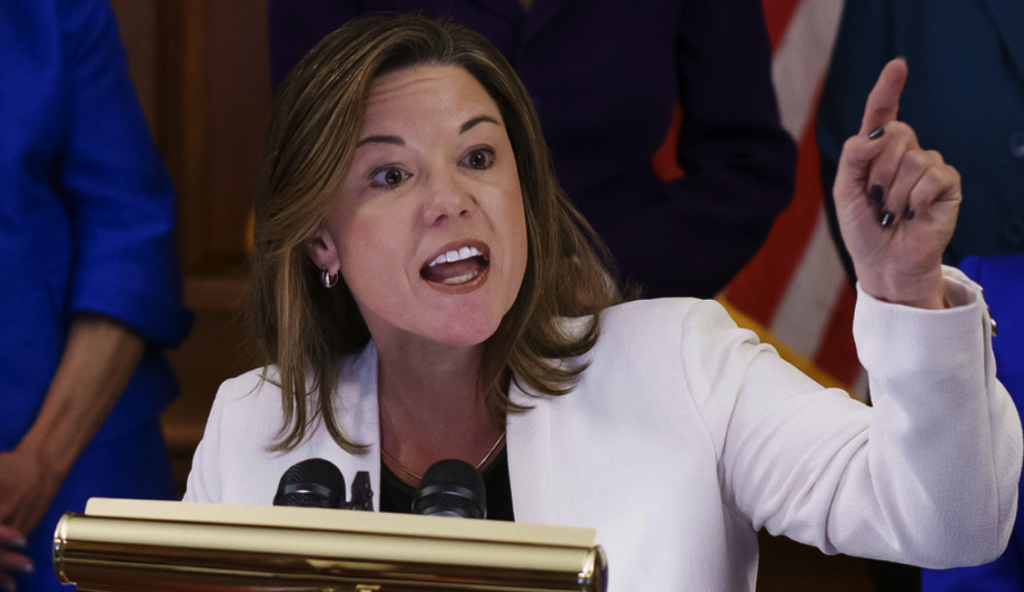
Recent news about the Minnesota Democratic primary fundraising race shows that Rep. Angie Craig has a big financial lead over Lt. Gov. Peggy Flanagan. The Democratic primary is in August, and the campaign is already being shaped by how much money it has raised.
The Federal Election Commission’s most recent reports show that Rep. Angie Craig raised $2.5 million in the first three months of the year. During the same time, Lt. Gov. Peggy Flanagan raised $1.3 million. These numbers show that there is a clear gap in the Minnesota Democratic primary fundraising scene.
When you look at cash reserves, the difference is even more obvious. Craig has $4.8 million in campaign funds right now, and Flanagan has about $1.1 million. This money gap could be very important as both candidates get ready for a close and competitive primary race.
Minnesota Democratic Primary Fundraising Gap Grows
The widening gap in Minnesota Democratic primary fundraising isn’t just about how much money each candidate raises; it’s also about how they spend it. Reports say that Lt. Gov. Peggy Flanagan spent more than $1 million in the first quarter, which is almost the same amount she raised.
Swalwell Allegations EXPLODE: Ro Khanna Breaks Silence in Shocking Statement
People are worried about the campaign’s strategy and long-term viability because of the high spending rate. On the other hand, Rep. Angie Craig seems to be in a better financial situation, with a larger cash reserve that can be used for advertising, outreach, and running her campaign.
The Minnesota Democratic primary fundraising numbers show that Craig has an early lead, but the race is far from over. Fundraising can change quickly, especially as the primary election gets closer and people pay more attention to the candidates.
Contributions to campaigns become a big deal
The Minnesota Democratic primary fundraising debate is becoming a major political issue, not just because of the numbers. Lt. Gov. Peggy Flanagan has publicly attacked Rep. Angie Craig for taking money from corporate political action committees (PACs).
Flanagan has made it clear that she won’t take money from corporate PACs, and this is a big part of her campaign message. She says that refusing these kinds of donations helps her stay independent and earn voters’ trust.
Craig’s campaign, on the other hand, has gotten donations from a wider range of people, including corporate PACs. This has helped her raise a lot of money in the Minnesota Democratic primary. This difference in approach is likely to stay a hot topic as the campaign goes on.
What This Means for the Race for President
Rep. Angie Craig has a strategic advantage in the Minnesota Democratic primary because she has raised more money early on. This is especially true when it comes to reaching voters through ads and campaign events. A campaign can make itself more visible and organized across the state with more money.
Lt. Gov. Peggy Flanagan still has time to close the gap, though. As elections get closer, fundraising often goes up, and big endorsements or important campaign events can quickly change the financial picture.
The argument over campaign donations might also change how people vote. Some voters may agree with Flanagan’s stance against corporate PAC funding, while others may be more interested in the campaign’s overall strength and resources.
Looking Ahead to Fundraising for the Minnesota Democratic Primary
As the August primary gets closer, the Minnesota Democratic primary fundraising race will still be a big part of figuring out who wins. Both candidates are expected to keep getting money and improving their campaign plans.
Rep. Angie Craig is clearly ahead in the polls right now, but there are many other things that affect elections besides fundraising. Voter engagement, policy positions, and campaign messages will all be very important in the coming months.
For now, the story of the Minnesota Democratic primary fundraising is one of two sides: one side has higher totals and more donors, while the other side has a more limited but principled way of raising money. In the end, how voters react to these differences will determine the outcome of the race.
2 Comments