
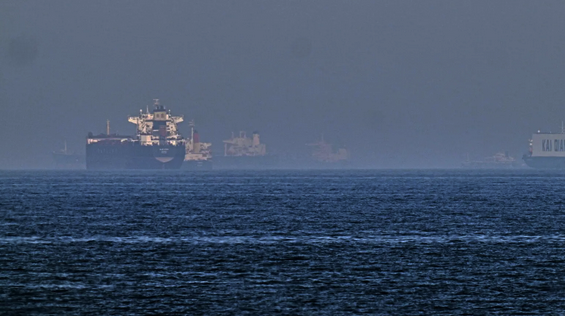
The Strait of Hormuz is still a deadly bottleneck more than two months into the Iran war. There are still about 1,600 ships stuck in dangerous conditions, with about 20,000 sailors on board.
On Monday, one U.S.-flagged ship run by a Maersk subsidiary was able to get through, which is a small number of ships that have been able to do so. The U.S. military protected the ship, the Alliance Fairfax, as it crossed the waterway.
The Standoff – Key Numbers in the Strait of Hormuz
The Danish company Maersk thanked the U.S. military for their “professionalism and good coordination.” There were no problems during the transit, and everyone on board was safe. But that one success story is up against a huge number of ships that are stuck.
Under Fire: How One Ship Got Through the Strait of Hormuz
On Sunday, President Trump said that the US would help get ships that were stuck in the Strait of Hormuz, a key route for oil and gas, out. He also said that any outside interference would be dealt with “forcefully.”
U.S. Central Command says that the next day, U.S. forces shot down cruise missiles and drones and destroyed six Iranian speedboats that were threatening Navy ships that were guiding them through the strait. The price of oil around the world went up more than 5%, and stock markets fell.
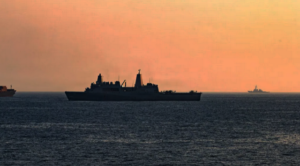
The U.S. military got in touch with Maersk and offered the Alliance Fairfax a chance to leave the Persian Gulf safely. The ship, which was used to carry cars, was “accompanied by U.S. military assets.”
The U.S. military and the security plan worked together, but it wasn’t clear what path the ship took or how the Navy helped. A Maersk spokesperson did not answer questions about the details of the passage.
Strait of Hormuz Standstill Why Most Ships Still Won’t Go
The situation in the Strait of Hormuz seemed to be stuck by Tuesday. Kpler, a maritime data company, says that no ships passed through that day. About 130 ships went through every day before the war.
S&P Global Market Intelligence says that only 137 ships passed through from April 13 (when the U.S. started its blockade) to May 1. Some people may have gotten away without being seen by turning off their transponders.
Jack Kennedy, who works for S&P Global as the head of country risk in the Middle East and North Africa, said that the U.S. military would probably add more escort ships in the next few days. But still, most ships might not feel safe.
Kennedy said, “Iran still has the ability to stop most traffic through the strait with its asymmetric military capabilities.” The U.S. Central Command said that two commercial ships flying the U.S. flag passed on Monday. However, they didn’t know what happened to the second ship right away.
Many businesses say the conditions are still too dangerous, especially since Iran has told ships not to try to pass without its navy’s permission.


1 Comment