
The Iran blockade of the Strait of Hormuz has changed the course of the Iran war in a big way. President Donald Trump ordered this move, which many people see as a big test of how long the US and Iran can last. The Iran blockade, which started on Monday morning, is meant to stop all shipments to and from Iran from going through the strategic waterway.
This blockade of Iran changes the conflict from direct military attacks to economic pressure. The focus is now on stopping Iran’s oil exports, which are its most important resource, instead of missiles and airstrikes. Iran’s exports are mostly oil, and oil sales bring in most of the government’s money. President Trump wants to weaken Iran’s economy by enforcing the Iran blockade so that the country’s leaders have to give in to U.S. demands.
The Iran blockade is meant to hurt oil and political stability.
The main goal of the Iran blockade is to get Iran to agree to the terms that Vice President JD Vance offered during peace talks in Islamabad, Pakistan. Iran turned down these terms, just like it did in earlier talks in Geneva before the war started on February 28. The demands include giving up its stockpile of uranium, taking down its nuclear infrastructure, and giving up control of traffic in the Strait of Hormuz.
President Trump seems to think that if the Iran blockade doesn’t lead to immediate concessions, economic pressure could cause unrest within the country. He has said before that people in Iran might rise up against the current government if they are unhappy with it. But it is still very uncertain that this will happen.
Iran, on the other hand, is using a different strategy to deal with the Iran blockade. Iran is trying to affect global markets instead of focusing on military conflict. Iranian leaders know that the Iran blockade could raise oil prices around the world, which would hurt the economies of other countries, especially the US.
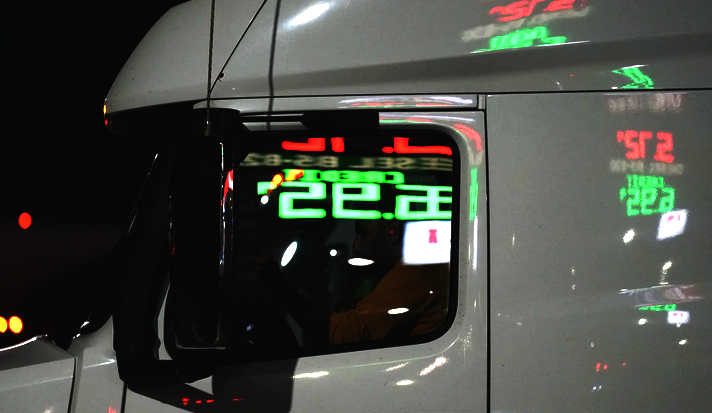
Iran’s top negotiator and the speaker of its Parliament, Mohammad Bagher Ghalibaf, told American consumers after the talks he led with Mr. Vance failed, “Soon you’ll miss $4 to $5 gas.”
The blockade of Iran has already made oil prices go up. Brent crude rose by about 6%, reaching a price of just over $101 per barrel. But the markets haven’t panicked yet, which means that investors are waiting to see what happens with the Iran blockade.
President Trump has also changed what he expects. He used to say that gas prices would go down after military actions slowed down, but now he says that prices might stay the same or even go up a little during the next elections. Many Republican candidates are worried about this because they think that higher energy costs will hurt their chances in the election.
Comparing the past and the global risks of the Iran blockade
People have compared the Iran blockade to other global crises, like President John F. Kennedy’s naval “quarantine” during the Cuban Missile Crisis in 1962. At that time, the US stopped Soviet shipments to Cuba to keep the situation from getting worse. The situation came to an end when Nikita Khrushchev, the leader of the Soviet Union, chose to leave.
Why Iran Trade Hasn’t Collapsed Despite Heavy Restrictions
People are now paying close attention to how Iran’s leaders, including the new ayatollah Mojtaba Khamenei and the Islamic Revolutionary Guard Corps, will react to the blockade of Iran. Iran doesn’t have a strong navy like the US does, so direct conflict is unlikely. But the country can respond in other ways.
One option is that Iran could attack oil facilities in nearby countries like Saudi Arabia, Kuwait, or the United Arab Emirates. This would send a strong message that if Iran can’t sell oil because of the Iran blockade, other countries in the area might have similar problems.
Richard Haass, a former senior national security official for the Republicans and the former president of the Council on Foreign Relations, backs the Iran blockade strategy.
Richard Haass said, “The current situation, where Iran can deny use of the strait to all but its friends or those who pay up, is not acceptable.”
He went on, “It gets rich while others get poor.” “A blockade makes the economic pressure on Iran worse than it was before the war and worse than it was during the war. They need to open the strait to everyone again if they want to sell their oil.
The future is uncertain as the Iran blockade goes on.
Even though it has goals, the Iran blockade is full of unknowns. How will big buyers of Iranian oil, like China, India, Pakistan, and Turkey, respond? This is a big question. Some experts think that these countries might be able to get Iran to do what the U.S. wants. Some people think they might be able to use the situation to their own advantage.
There is also some confusion about how the blockade of Iran will be enforced. President Trump called it a “complete” blockade, but U.S. Central Command said that it mostly affects ships going to and from Iranian ports. Other ships can still get through, but they are at risk of things like mines or drone attacks.
There have been blockades in the Strait of Hormuz before, but none have been as complicated as the current one in Iran. British actions in the 1950s and problems during the Iran-Iraq war are two examples from the past. But the world economy is more connected now, and the stakes are higher.
If the blockade of Iran works and doesn’t last long, it could make Iran change its policies and open up trade routes again. But if it goes on for too long, it could hurt the world economy and make things worse in the area.
The Iran blockade is a big risk in the end. President Trump thinks that putting pressure on Iran’s economy will make it give up. Iran, on the other hand, is betting that the US will face political problems before Iran’s economy goes down. The outcome of the Iran blockade is still unknown as the war enters its seventh week, and its effects could be felt around the world.
1 Comment