
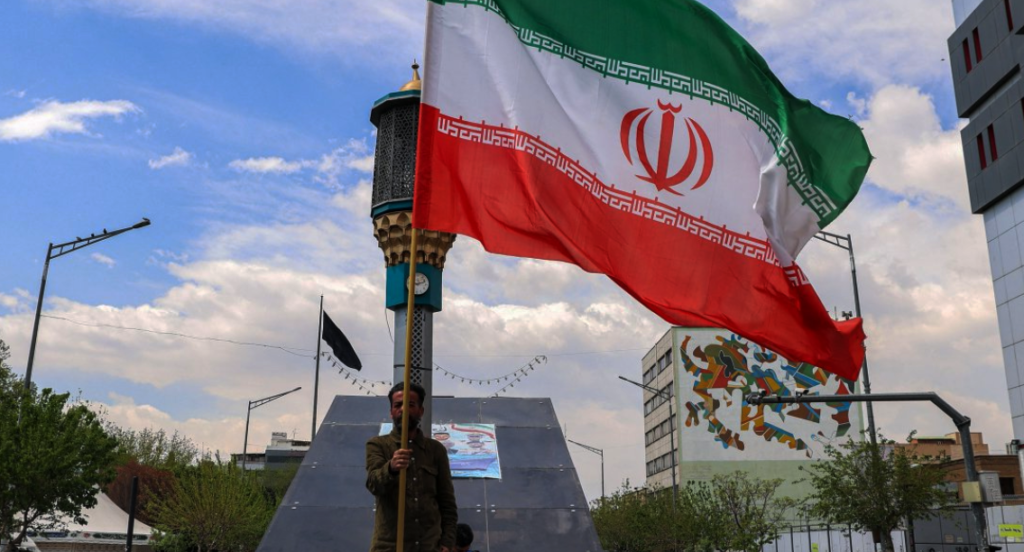
For almost fifty years, the world has seen Iran as an outlier. The United States, the European Union, Britain, and the United Nations Security Council have all put strict sanctions on the country because of its nuclear ambitions, weapons programs, support for militant groups, and human rights concerns. These sanctions were meant to hurt Iran’s economy by cutting off its business ties with the rest of the world and freezing its money.
Even though these strict rules are in place, trade with Iran has not stopped. In fact, a close look at the data shows that Iran has been trading with more than 170 other countries since 2019. Sanctions have hurt the economy by causing inflation, unemployment, and public unrest, but trade with Iran has changed instead of ending.
Esfandyar Batmanghelidj, the head of the Bourse & Bazaar Foundation, a research group based in London, said, “People think that sanctions have cut Iran off from global trade, but that’s not completely true.” “Sanctions have made Iran’s trade more complicated over time.”
China’s Big Part in the Growth of Trade with Iran
The strong ties between Iran and China are one of the main reasons why trade with Iran has survived. In the last 20 years, China has become Iran’s most important trading partner. Iran and China trade with each other, and this partnership has grown steadily over time.
China promised to give Iran $400 billion in exchange for a steady supply of oil during the COVID-19 pandemic. China was buying about 90% of Iran’s oil exports by 2024. This shows how important China is to Iran’s trade. China also buys a lot of different Iranian goods, like chemicals and metals.
China energy dominance is Taking Over the World’s Electricity Future
The renminbi, which is China’s currency, is often used to pay for things between the two countries. This lets Iran trade without using the U.S. dollar or American banks, which are heavily involved in enforcing sanctions.
There is also a secret side to trade with Iran. Experts say that both countries use secret financial channels and barter systems. Iran gives China oil, and in return, Chinese companies build things like airports. This kind of trade with Iran isn’t officially recorded, but it keeps the economy going.
Diversity Helps Iran’s Trade Stay Alive
Oil used to make up almost 80% of Iran’s exports. But Iran’s trade has changed over time. Today, the country sells a lot of things other than oil, like building materials, food, and manufactured goods.
Around 2012, when new sanctions were put in place, this change became more obvious. These restrictions were aimed at oil exports and made Iran’s trade look for new ways to do business. Because of this, Iranian companies looked into other industries and markets.
Iran’s trade has included more than $120 billion in non-oil exports since 2019. This amount is about the same as what smaller economies like Costa Rica or Croatia export in total. Turkey, Iraq, and China are now important trading partners for Iran, especially in areas other than oil.
Iran’s location also helps its trade. It shares borders with seven other countries and has access to important trade routes like the Strait of Hormuz. This geographical advantage helps Iran keep trading even when the rest of the world is putting pressure on it.
Economic Problems and Self-Reliance
Self-reliance is another strategy that has helped Iran’s trade. Iran has built up its own industries over the years, such as making cars, steel, electronics, and medicines. This makes Iran’s trade stronger and lessens the need for imports.
Kislaya Prasad, academic director of the Center for Global Business at the University of Maryland, said, “They’ve worked hard to be self-reliant.”
Iran’s trade is still having problems, though. Sanctions make it hard to bring in the machines and spare parts that are needed for production. European countries used to be the main suppliers, but now their share has dropped a lot.
Instead, countries like India, Brazil, and the United Arab Emirates have become important trade partners for Iran. They send electronics, rice, soybeans, and corn, which are all important goods.
The Future of Iran’s Trade During Conflict
The US and Israel have been in some recent conflicts that have made trade with Iran more dangerous. The Strait of Hormuz, an important trade route, has been affected, making it harder for ships to get through and limiting access to goods. Military strikes have also hurt infrastructure like factories, transportation systems, and power plants.
If tensions stay high, trade with Iran could be hurt for a long time. It could take years or even decades to rebuild the economy. Even if peace is reached, the damage that has already been done will make it harder to get back on track.
As part of any future deal, Iran wants the sanctions to be lifted. It will be very hard to keep trading with Iran and rebuilding the country without help.
Iran trade has been able to stay strong despite all of these problems. The country has adjusted to the sanctions, found new partners, and set up new systems. While big countries can put economic pressure on Iran, Iran has also shown that it can change global markets, especially because it controls important trade routes.

1 Comment