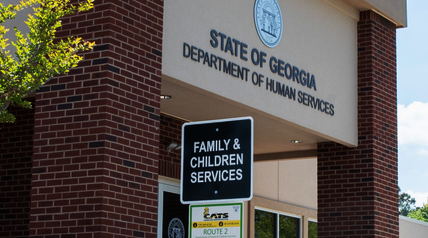
More than 11,000 kids in Georgia are in foster care, but new numbers show the state has fewer and fewer families to place kids with. It’s a growing Georgia foster care crisis. Georgia’s licensed foster homes have decreased 40% since 2019, double the national average. Allison Ashe.
Key facts about the Georgia foster care crisis
- Children in care: More than 11,000 in Georgia foster care.
- Foster home decline: Licensed homes down 40% since 2019 – double the national average.
- Reasons: Inflation and COVID fatigue (Allison Ashe, CEO Wellroot Family Services). Per diems haven’t kept pace with costs.
- Out‑of‑county placement: 68% of Georgia foster children are placed outside their home county.
- Consequence: Children lose school, friends, normal life – making trauma worse.
- Foster parent stories: Elise White (Georgia AGAPE) fostered two boys, stays close with biological family. Telisha Burke fostered for 6 years (grandmother fostered 20 years).
- Encouragement: Burke: “Fostering has been a joy, easier than expected.” White: “Perfection is not a requirement – you can do it.”
- Recruitment: Wellroot working through churches and digital marketing.
Inflation and COVID fatigue are some of the reasons, says the CEO of the Georgia nonprofit Wellroot Family Services. “As inflation continues to rise, the per diems for being a foster parent haven’t kept up with that and foster parents are having to do more to cover the cost,” Ashe said. “We need to put more resources at the state and federal level for families who are willing to step up.”
Inside the Georgia foster care crisis kids sent far from home
The nonprofit Wellroot recruits, trains and supports foster families so that children can stay close to home. But the crisis in Georgia’s foster care system means hard choices. “One of the things that happens when we don’t have enough foster families is children have to be placed out of county,” Ashe said. \”That, you know, magnifies a situation that is already traumatic for a child.\”
The Georgia foster care crisis by the numbers
11,000+ children in foster care
40% drop in licensed foster homes since 2019 (double national average)
68% of foster children placed outside their home county
20+ years – one foster grandmother’s service
When a child can stay close to home, they can keep their school, friends and normalcy during an unstable time. But in Georgia, 68 percent of children in the state are placed outside their county. This means most foster children are stripped of familiar surroundings at a time when they need stability the most.
Hope of the Georgia foster care crisis – foster parents speak about their happiness
Dedicated foster parents are stepping up to the plate, even as Georgia grapples with a foster care crisis. “We felt it was our responsibility to be a safe haven for kids in need,” said foster mother Elise White, with Georgia AGAPE. She and her husband have fostered two boys.
Apple truck heist: FBI and NYPD arrest suspects after January 3 robbery
One surprise was the relationship with the biological family. “We had them over for Easter,” said White. “It’s such a blessing that we still get to see them. We still get to see that they are doing well. Telisha Burke is a foster parent for six years. Her grandmother was a foster parent for 20 years. It really does take a village,” Burke said. “Both women are encouraging others to try fostering. “I’d say it’s definitely a lot easier than I expected,” Burke said. Fostering has been so much fun.” “There is no requirement whatsoever for perfection,” White added.
You think about it and you know it and you wonder, could you do it? Sure can. You got this. Wellroot is trying to get more parents like Burke and White, through churches and digital marketing. The need is still there, but these voices show that love and commitment can make all the difference.
How you can help with the Georgia foster care crisis
Wellroot Family Services recruits, trains, and supports foster families. They are using churches and digital outreach. Already, foster parents like Elise White and Telisha Burke prove that ordinary people can change lives.